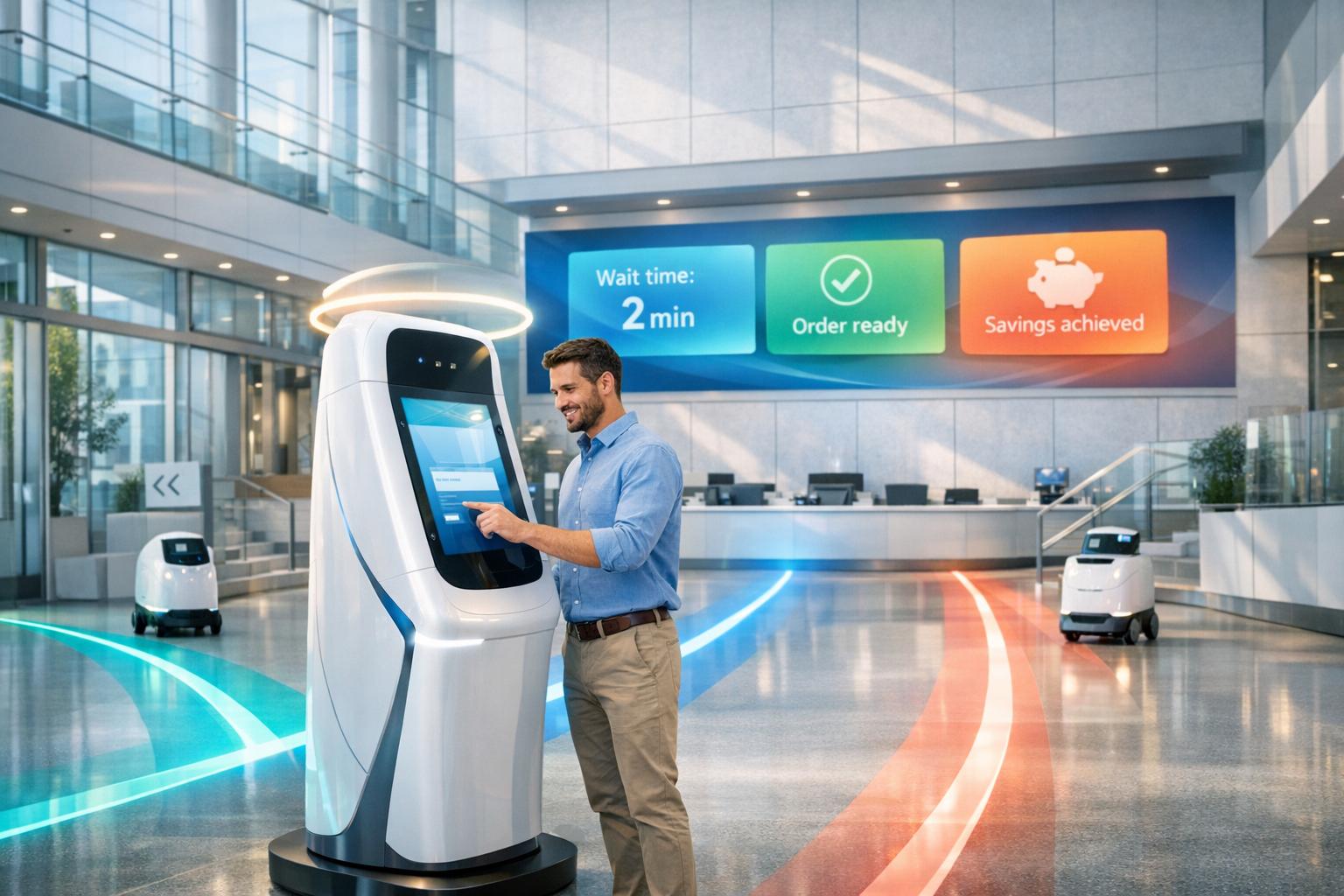
Artificial intelligence is no longer a futuristic concept; it has become a central tool for modern businesses. But as technology evolves, so do its applications. The latest buzzword in AI innovation is Agentic AI - a term signifying a transformative leap beyond traditional AI systems. In this article, we’ll explore what Agentic AI is, how it’s improving customer support and business operations, and what it means for companies navigating this exciting frontier.
Agentic AI represents the next stage of AI evolution. Unlike earlier AI systems primarily used for generating text or analyzing data in response to user prompts, Agentic AI takes things a step further by planning and executing autonomous actions. As Steve Blood, market intelligence leader at 59, explained, these systems dynamically adapt based on context and ongoing analysis, allowing them to achieve specific goals without requiring constant human oversight.
This adaptability makes Agentic AI particularly suited for industries that process high volumes of repetitive decisions, such as customer support, supply chain, retail, and logistics. Its ability to reason, make decisions autonomously, and deliver contextually tailored solutions positions it as a game-changer for businesses seeking operational efficiency and improved customer experiences.
Agentic AI is more than just a tool for cost-saving automation - it’s a means to improve decision-making and customer experiences. Blood emphasized that while early AI efforts in customer service often focused on reducing headcount as a measure of ROI, this approach is flawed. Instead of replacing staff outright, companies should aim to augment human capabilities with AI, creating a symbiotic relationship where humans and AI support each other.
For example, AI can handle repetitive and straightforward tasks, freeing up human agents to focus on complex or emotionally nuanced issues. This shift enables companies to deliver more personalized and effective customer support while still achieving significant efficiency gains.
Self-service remains a top priority for many customers, but it must be designed with user convenience in mind. Agentic AI-powered systems excel in creating intuitive, seamless self-service experiences. By leveraging contextual data, these systems can anticipate customer needs, provide accurate and relevant information, and escalate issues to human agents when needed - all without the frustration of "bot jail."
Blood emphasized the importance of flipping the perspective: instead of forcing customers to adapt to rigid systems, companies should focus on meeting customers where they are. By building smarter self-service options, businesses can increase adoption rates, improve customer satisfaction, and achieve measurable ROI.
A key challenge for businesses adopting Agentic AI is trust. AI systems are prone to errors such as "hallucinations" (generating incorrect or nonsensical responses), which can undermine confidence in their use. To address this, Blood highlighted the critical role of AI trust and governance frameworks. These frameworks provide guardrails, observability, and safeguards to ensure the reliability of AI outputs.
For instance, tracking prompts, monitoring AI behavior, and detecting issues such as hallucinations or prompt injection attacks are essential for scaling AI safely. By focusing on trust and transparency, companies can integrate Agentic AI into their workflows with confidence, reducing risks while unlocking its full potential.
Data is the foundation of any successful AI system, and Agentic AI is no exception. Blood outlined the importance of contextual data, which allows AI systems to deliver relevant and accurate outputs. Companies must invest in structuring their data libraries - ensuring they are readable and accessible to large language models.
Building a robust data ecosystem involves multiple layers, from basic task instructions and product FAQs to customer interaction histories and external factors that may influence behavior. By creating a "hierarchy of contextual data", businesses can empower AI systems to deliver tailored solutions that align with customer expectations.
Agentic AI adoption isn’t a "big bang" transformation; it’s a gradual process of maturity. As organizations experiment with AI solutions, they’ll refine their approaches, improve their data readiness, and learn how to achieve more meaningful results. For example, as employees gain experience using AI tools, they can craft better prompts and workflows, unlocking new efficiencies and capabilities over time.
Moreover, Blood suggested that businesses should focus on scaling self-service initiatives first, as these provide immediate value to customers while laying the groundwork for broader AI integration. By taking a measured, iterative approach, companies can ensure a smoother transition to Agentic AI systems.
While Agentic AI won’t replace humans entirely, it will reshape workforce dynamics. Blood noted that new roles, such as brand ambassadors, will emerge as AI takes over repetitive tasks. Employees will focus more on building customer relationships, managing exceptions, and overseeing AI systems to ensure they align with business goals.
This shift represents a significant opportunity for companies to rethink how they deploy human talent, creating a workforce that’s better equipped to meet the demands of a rapidly changing business environment.
Agentic AI is not just an evolution of technology - it’s a reimagining of what’s possible for business operations and customer support. By focusing on trust, scalability, and customer-centric design, companies can harness the power of Agentic AI to deliver exceptional experiences while driving efficiency and innovation.
As this technology continues to mature, organizations that approach it thoughtfully and strategically will be well-positioned to lead in a competitive landscape. The future is here, and Agentic AI is paving the way.
Source: "CT Tech Talks Episode 18: The Future of Agentic AI in Customer Experience" - CallTower TV, YouTube, Aug 4, 2025 - https://www.youtube.com/watch?v=JIE_bOG_8II