
AI-Human Collaboration: Best Practices for Helpdesks

AI-human collaboration in helpdesks combines the efficiency of AI with the empathy and problem-solving skills of human agents. This approach improves customer service by handling routine tasks with AI and reserving complex issues for humans. Here’s the key takeaway:
- AI excels at repetitive tasks like FAQs, ticket categorization, and basic troubleshooting, offering 24/7 availability and instant responses.
- Humans handle complex problems, escalated issues, and tasks requiring empathy or judgment.
- Challenges include: unclear roles, poor AI-to-human handoffs, and keeping AI systems updated.
- Solutions: Define clear AI-human roles, establish handoff protocols, and maintain up-to-date knowledge bases.
Quick Summary Table
Key AreaAI RoleHuman RoleAvailability24/7 automated responsesPriority cases during business hoursResponse SpeedInstant answers to common questionsThorough resolution of complex issuesTask FocusRoutine, repetitive tasksStrategic, high-value interactionsCustomer ExperienceQuick responsesPersonal touch for sensitive matters
How AI and customer service agents can work together
Setting Clear AI and Human Roles
Clearly defining the roles of AI and human agents is key to running an efficient helpdesk. The goal is to use the strengths of both while ensuring smooth collaboration.
Tasks Best Suited for AI
AI thrives at repetitive, data-heavy tasks that need fast responses. Here are some ways to make the most of AI in your helpdesk:
Task TypeAI CapabilitiesBusiness ImpactBasic Inquiries24/7 instant FAQ responsesCuts down wait timesInitial ScreeningAutomated ticket categorizationSpeeds up routingData CollectionGathering customer detailsSimplifies documentationStandard ProcessesHandling password resets, status updatesSaves human resources
Tasks for Human Agents
Human agents excel in areas requiring judgment and empathy. Their efforts are best directed at:
- Complex Problem-Solving: Tackling technical issues that need deeper investigation.
- Strategic Customer Relations: Managing escalated complaints or sensitive issues.
- Custom Solutions: Crafting tailored responses for unique customer needs.
- High-Value Interactions: Building relationships and managing key accounts.
The key to success lies in ensuring smooth transitions between AI and human agents.
AI to Human Transfer Guidelines
To make handoffs seamless and effective:
1. Define Clear Trigger Points
Set clear rules for when AI should pass the conversation to a human. Examples include:
- Customers asking the same question repeatedly.
- Signs of frustration or urgency in the language used.
- Requests that go beyond AI’s capabilities.
2. Maintain Context Continuity
Ensure the conversation history is always accessible to human agents. This minimizes the need for customers to repeat themselves and helps agents quickly get up to speed.
3. Set Customer Expectations
When transferring, AI should:
- Let the customer know they’re being connected to a specialist.
- Provide an estimated wait time.
- Confirm that all prior conversation details have been saved.
This structured approach allows AI and human agents to work together efficiently, delivering high-quality support while making the best use of their respective strengths.
Adding AI to Current Systems
Integrating AI into your current systems can boost how efficiently your operations run, especially when roles and processes are clearly defined.
Picking the Right AI Tools
Choosing the right AI tools for your helpdesk is all about finding solutions that fit smoothly into your existing workflow. Here are some key factors to consider:
Selection CriteriaImplementation FocusExpected OutcomeIntegration CapabilityAPIs for CRM and business appsUnified data flowTraining FlexibilityTailored training dataAccurate responsesChannel SupportMultiple communication platformsConsistent serviceHandover FeaturesAI-to-human transfer protocolsSmooth escalation
Creating Uniform Support Standards
To ensure a seamless experience, it's important to set consistent standards for both AI-driven and human support channels:
- Response Templates: Create templates for common scenarios, but leave room for personalization to maintain a human touch.
- Quality Metrics: Track key performance indicators like response times, resolution accuracy, customer satisfaction, and how well escalations are handled.
- Documentation Protocols: Keep knowledge bases updated regularly. This ensures both AI systems and human agents have access to the most accurate and aligned information.
A practical example of these principles can be seen in how Converso successfully implemented these strategies.
Converso: Multi-Channel Support Example
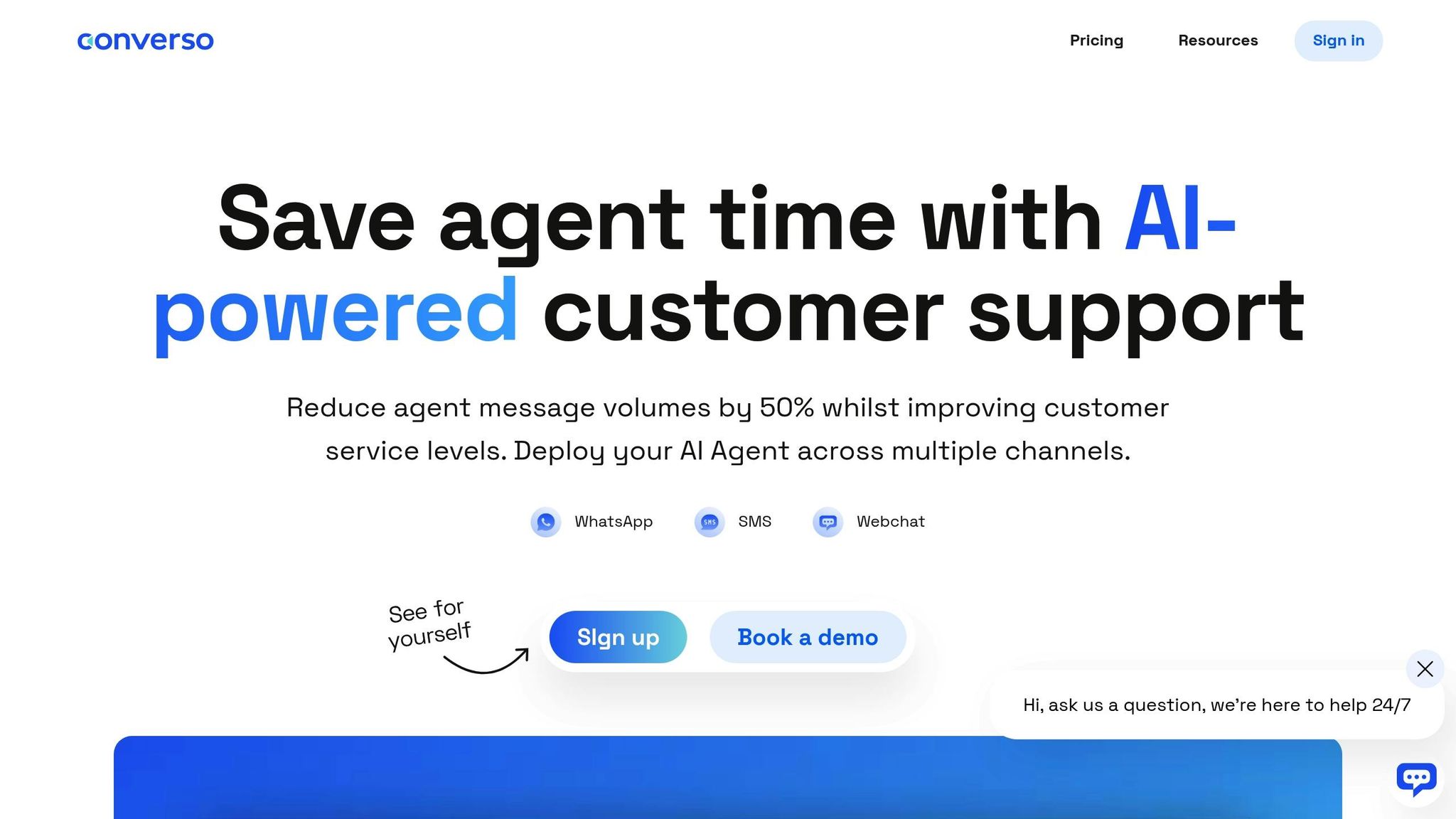
Converso offers a great case study in combining AI and human support effectively. Key Health Partnership saw major efficiency improvements after adopting Converso's AI tools.
Here’s what worked for them:
- AI was deployed across webchat, WhatsApp, and SMS platforms.
- A unified inbox was created to streamline team collaboration.
- Clear handover protocols ensured complex issues were escalated smoothly to human agents.
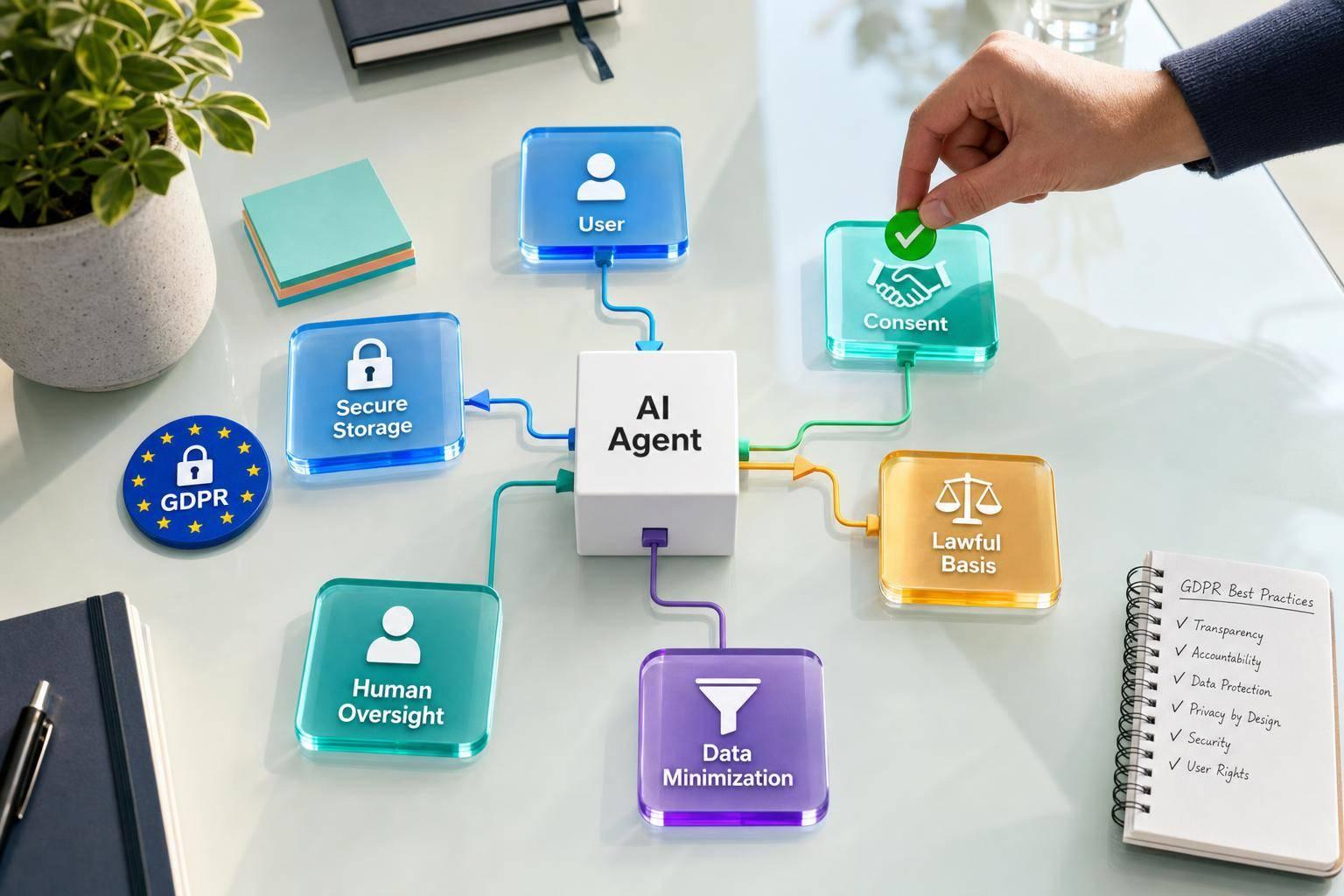
- GDPR compliance was maintained across all customer interactions.
This structured approach not only lightened the workload for the support team but also kept service quality consistently high. It’s a strong example of how thoughtful AI integration can make a difference.
sbb-itb-e1b05dc
Improving AI and Human Support Quality
Boost customer support by refining how AI and human agents work together. Both systems should complement each other to provide top-notch service.
Building an AI Knowledge Base
An up-to-date AI knowledge base is crucial for delivering consistent and accurate customer responses. Here's a breakdown of key components:
Knowledge Base ComponentPurposeMaintenance ScheduleProduct DocumentationDetails about core featuresMonthly updatesFAQ DatabaseAnswers to common questionsWeekly reviewsTechnical GuidesTroubleshooting informationQuarterly updatesPolicy InformationCompany rules and guidelinesAs changes occur
Frequent updates ensure the AI doesn't rely on outdated information, keeping interactions accurate and helpful.
Training Agents for Complex Issues
With AI managing straightforward inquiries, human agents should focus on handling more nuanced situations. Equip them with skills that complement AI's capabilities:
- Advanced Problem Solving: Train agents to tackle complicated issues that require critical thinking. They should also know when to step in during AI-led conversations.
- Context Analysis: Teach agents to review AI interaction logs so customers don't need to repeat themselves. This ensures a smooth handoff from AI to human support.
- Technical Expertise: Provide agents with in-depth product knowledge and technical skills to resolve problems beyond AI's scope.
Track the effectiveness of these training initiatives using performance metrics to identify areas for improvement.
Tracking Success Metrics
Measuring performance helps pinpoint where AI and human support can improve. Key metrics to monitor include:
Metric TypeAI MeasurementHuman Agent MeasurementResponse TimeSpeed of initial repliesTime taken to resolve issuesAccuracyCorrect response rateResolution success rateEscalation RatePercentage of handoffsSuccess with complex casesCustomer SatisfactionRatings from AI interactionsFeedback on human support
Regularly reviewing these metrics helps maintain a strong balance between AI and human performance. Focus on areas with lower scores and adjust training or processes to boost overall service quality.
Managing Support Team Workload
Balancing tasks between AI and human agents is crucial for delivering top-notch support. A well-thought-out plan for assigning tasks and monitoring performance makes all the difference.
Using AI for Common Questions
AI is great at tackling repetitive queries, freeing up human agents for more demanding tasks. For instance, Key Health Partnership reported that introducing AI support cut their insurance policy inquiries by at least 50%. This shift allowed their team to focus on complex issues requiring specialized knowledge.
Here’s how AI can handle common questions effectively:
Query TypeAI Handling ApproachExpected OutcomeProduct InformationAutomated responses from a knowledge baseInstant answers 24/7Basic TroubleshootingStep-by-step guidanceConsistent solutionsPolicy QuestionsPre-programmed responsesShorter wait timesAccount UpdatesAutomated verification and updatesQuick self-service
By letting AI handle these tasks, your team can work smarter, not harder.
Live Work Distribution
A clear plan for distributing tasks ensures resources are used effectively without compromising service quality. Smooth transitions between AI and human agents are especially important.
Here are some ways to make work distribution more efficient:
- Use AI as the first point of contact across all channels.
- Set up automatic transfers to human agents for complex issues.
- Assign specific teams to handle different types of support cases.
- Allow seamless chat transfers to specialists when required.
This approach ensures that each query is handled by the right resource at the right time.
Checking Team Performance
Tracking performance metrics is essential to maintaining a balanced workload and identifying areas for improvement. These metrics reveal how AI and human agents contribute to overall support quality:
Performance IndicatorAI MetricsHuman Agent MetricsVolume HandlingNumber of automated responsesComplex cases resolvedResolution SpeedInitial response timeTime to solutionTransfer RateSuccessful handoffsEscalation accuracyCustomer FeedbackAI interaction satisfactionHuman support ratings
Conclusion
Main Points Review
To make AI-human collaboration work effectively, it's crucial to define clear roles and ensure smooth integration. Here's a breakdown of the key areas and responsibilities:
Focus AreaAI RoleHuman Agent RoleFirst-line SupportHandle routine queries 24/7Take on complex, nuanced casesKnowledge ManagementProvide instant, data-driven answersDevelop and maintain specialized expertiseWorkflow AutomationManage repetitive tasks efficientlyHandle exceptions and escalationsCustomer ExperienceDeliver quick, automated responsesBring a personal touch and problem-solving skills
These elements form the foundation for adopting new support technologies.
Next Steps in Support Technology
The next phase involves leveraging advanced support technologies to enhance efficiency. For example, Key Health Partnership achieved a 50% reduction in insurance policy queries handled by human agents after implementing AI support.
Platforms like Converso are leading this shift by offering tools such as:
- Multi-channel support across webchat, WhatsApp, and SMS
- Smooth AI-to-human handoffs for complex queries
- Unified inboxes to simplify communication workflows
- Automated task management to save time
The key is to balance automation with human expertise. Build strong AI knowledge bases and train agents to handle intricate issues. By combining the strengths of AI with skilled human intervention, helpdesks can significantly boost support efficiency and customer satisfaction.


.svg)
.svg)
.svg)
.svg)